Blog

Notes on being found

Plain-English writing on getting discovered by search engines and AI — the content engine behind this site, practicing what the Playbook preaches.

Free: the AI-Visibility Checklist Seven checks to see if AI can find your brand — and the fix for each, on one page.
Get the checklist →
For wineries

A Reader Asked Why the AI Named Zero American Wines. Here’s the Real Reason.

It isn’t quality, and it isn’t coverage. American wine is corroborated for the wrong frame — and that gap is a wide-open opening for US wineries.

Read the post →
Case study

Page One in a Week: A Local & AI Search Case Study

We built WellTeenMD.com from an empty folder. Within a week it was on page one of Google — and quoted by name in Google’s AI answer. The seven plays, with the honest fine print.

Read the post →
For any brand

AI Is Describing Your Brand Wrong. Here’s How to Fix It.

You can’t log in and edit what ChatGPT says about you. You fix it by correcting what it reads — your pages, your structured data, your listings. How to do it, with a real worked example.

Read the post →
For any brand

How to Format Your Website So AI Crawlers Can Actually Read It

An assistant can only recommend what its crawler could read. How to format your pages as plain, machine-readable text — real headings, on-page facts, open crawler access — so an AI can find and cite you.

Read the post →
For any brand

Which Brands Does AI Name? A Look at What the Winners Share

Ask an assistant to recommend something and it names a handful of brands and skips everyone else. The four traits the named brands share — none of which depend on ad budget or brand size.

Read the post →
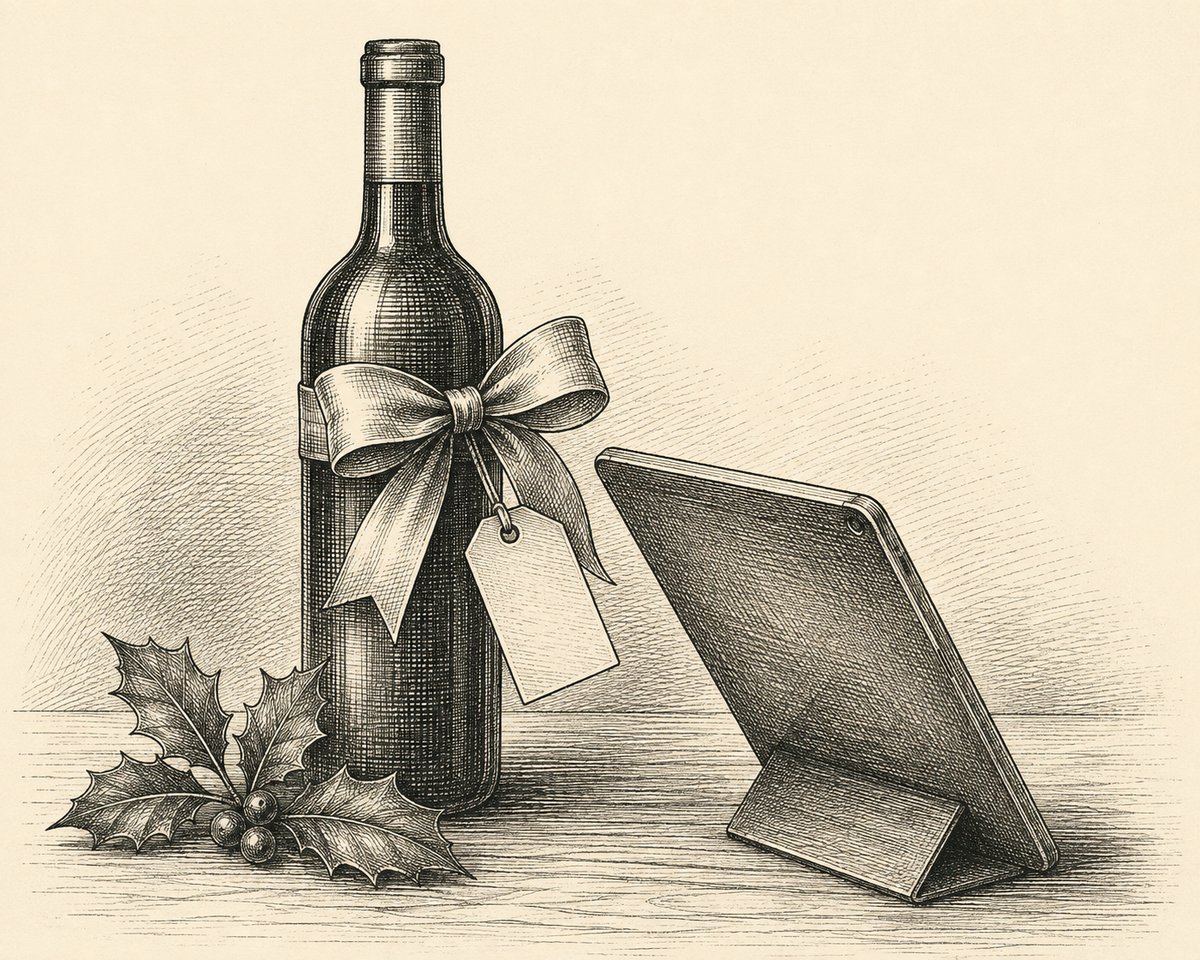
A vintage engraving: a wine bottle wrapped with a ribbon and gift tag beside holly, with a small tablet leaning in to read the tag.
For wineries

How to Get Your Wine Named When Someone Asks AI for a Holiday Gift

Every December, more people ask an assistant for a wine gift instead of visiting a shop. How to be the bottle it recommends — and why to set it up now, not in December.

Read the post →
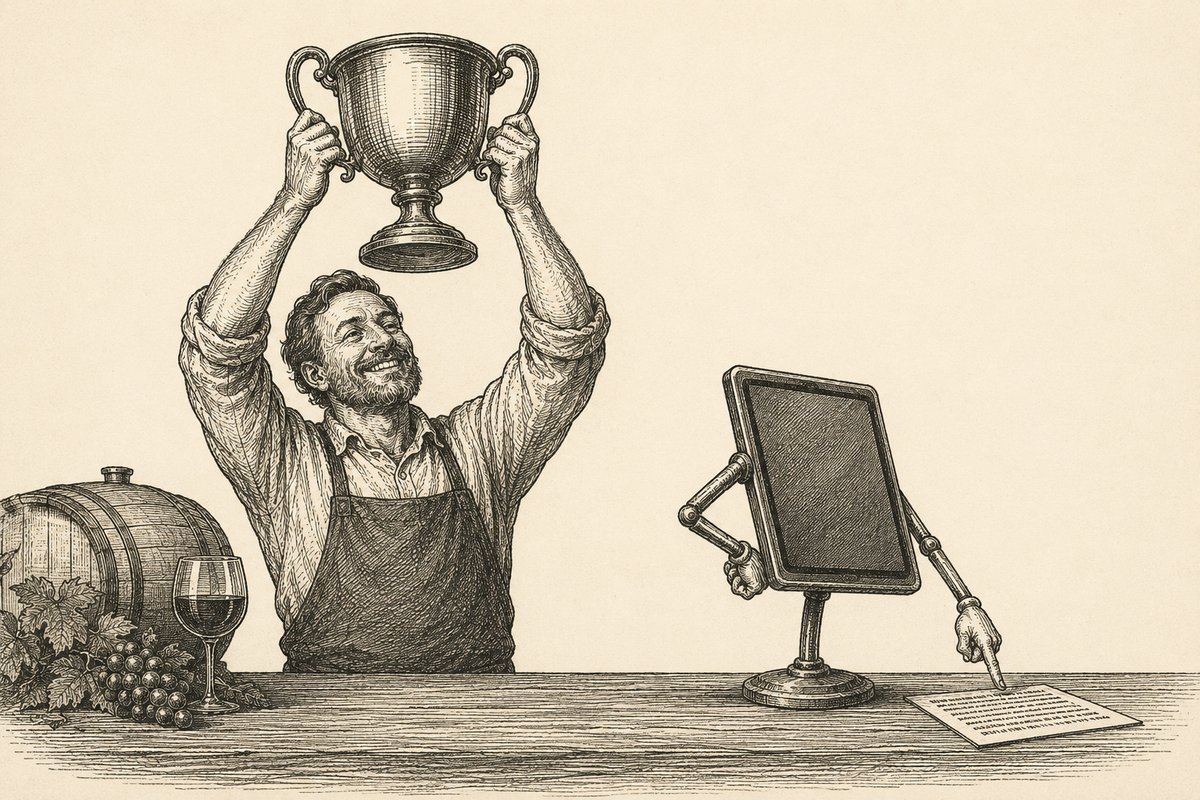
A vintage engraving: a winemaker proudly holds a trophy while a small tablet ignores it and points at a plain card of text.
For wineries

Five Things Wineries Think Help Them Get Found by AI (That Don’t)

Keyword stuffing, self-praise, PDF tasting sheets, social media, one-time SEO — five moves that feel like progress but don’t get you named by AI. And what actually does.

Read the post →
A vintage engraving: an open ledger of tally marks and a pen beside a small tablet showing a speech bubble.
For any brand

How Do You Know If AI Is Recommending You? A Way to Actually Measure It

Most of your AI visibility never shows up in analytics. How to measure whether an assistant recommends you — cheapest method first — and why “am I named?” beats any traffic number.

Read the post →
A vintage engraving: a hand holds a page of text up to a lamp, revealing a faint hidden watermark in the paper.
For any brand

Will AI-Written Content Get Your Site Penalized? Here’s What Actually Happens

The fear that Google will bury you for using AI to write — answered from Google’s own policy. It doesn’t penalize content for being AI; it penalizes thin, spammy content, however it’s made.

Read the post →
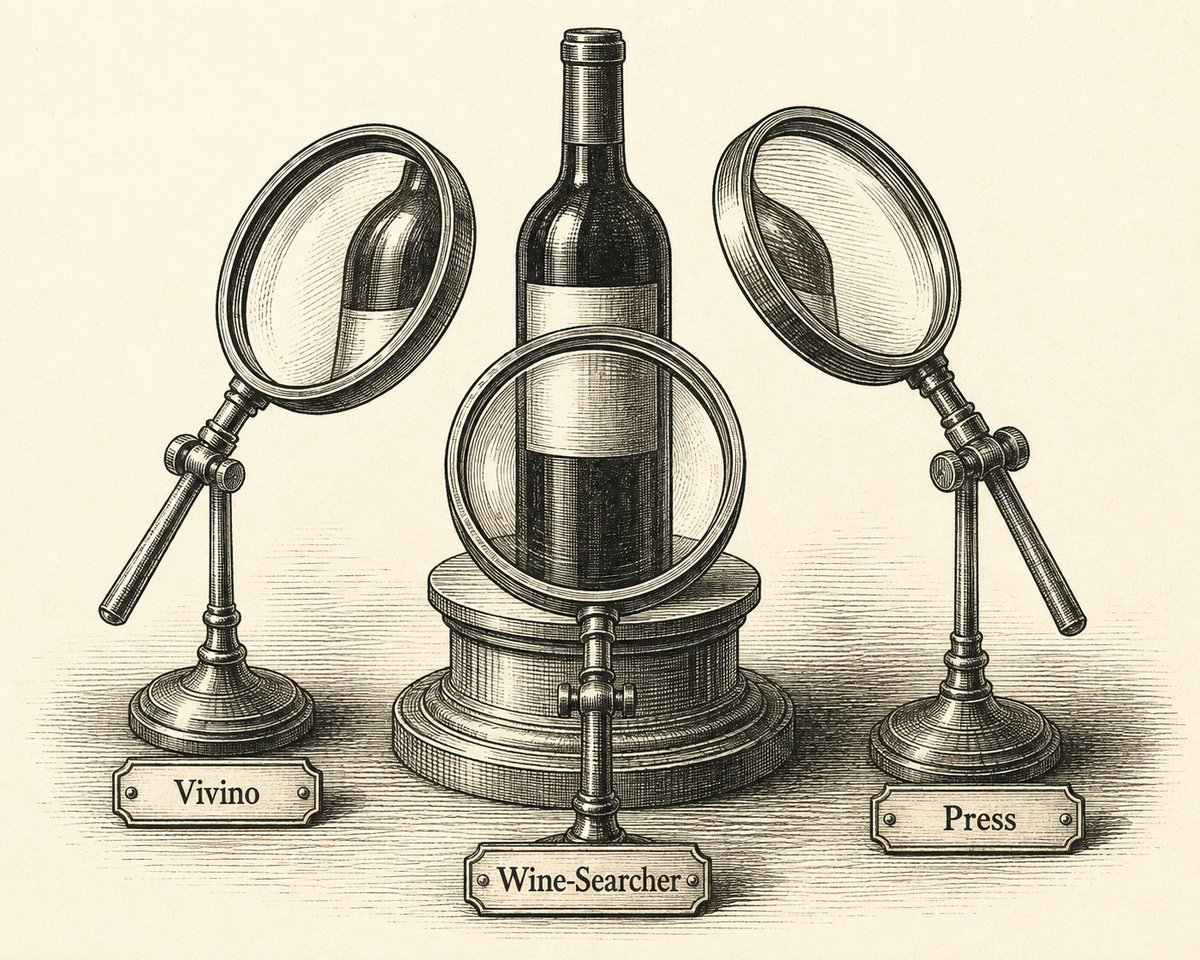
A vintage engraving: a wine bottle examined by three magnifying glasses labeled Vivino, Wine-Searcher, and Press.
For wineries

Why AI Trusts Vivino and Wine-Searcher More Than Your Own Website

AI doesn’t take your word for it — it checks what independent sources say about you, then decides whether to name you. Why third-party reputation beats self-praise, backed by Google’s own guidelines and the AI-citation research.

Read the post →
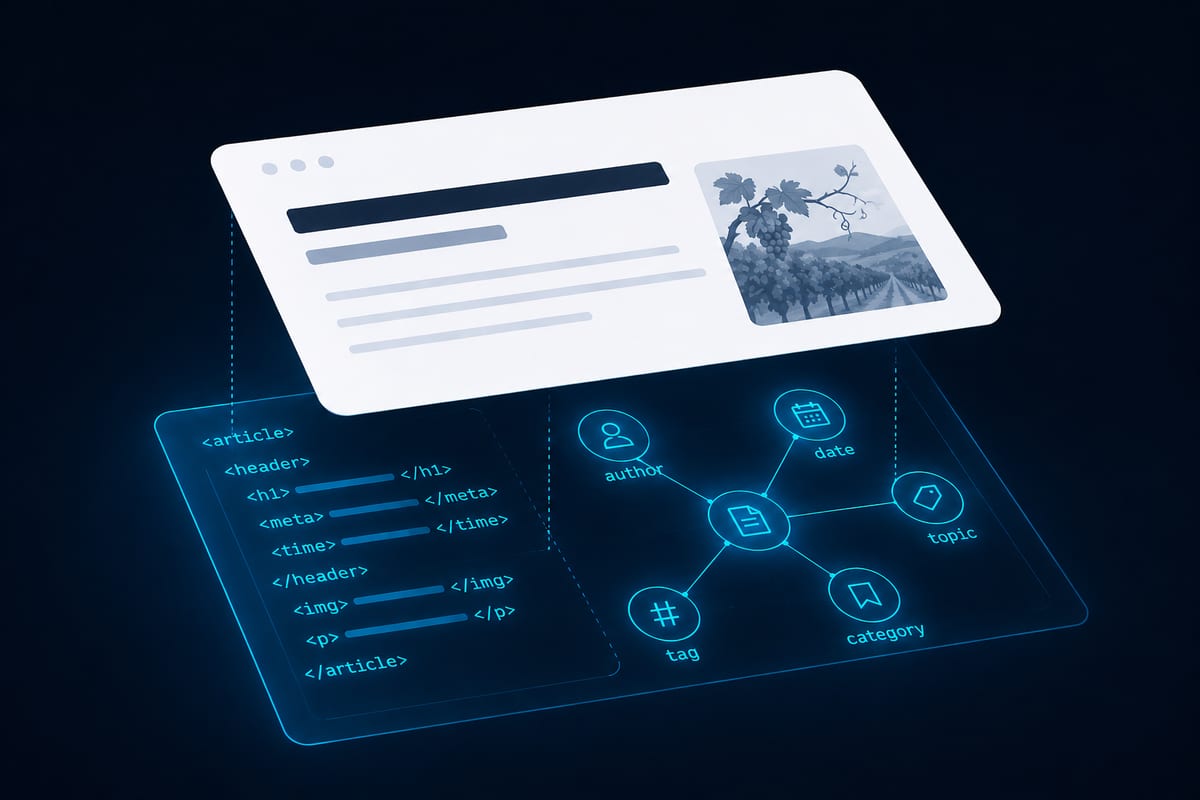
A clean web article card floating above a glowing blue layer of HTML tags and a knowledge graph labeled author, date, topic, tag, and category.
For any brand

Structured Data, Explained: The Hidden Labels That Get a Page Quoted by AI

The one move that most directly decides whether an AI can quote you by name — walked field by field through a real page’s schema, with COLAClear as the worked example.

Read the post →
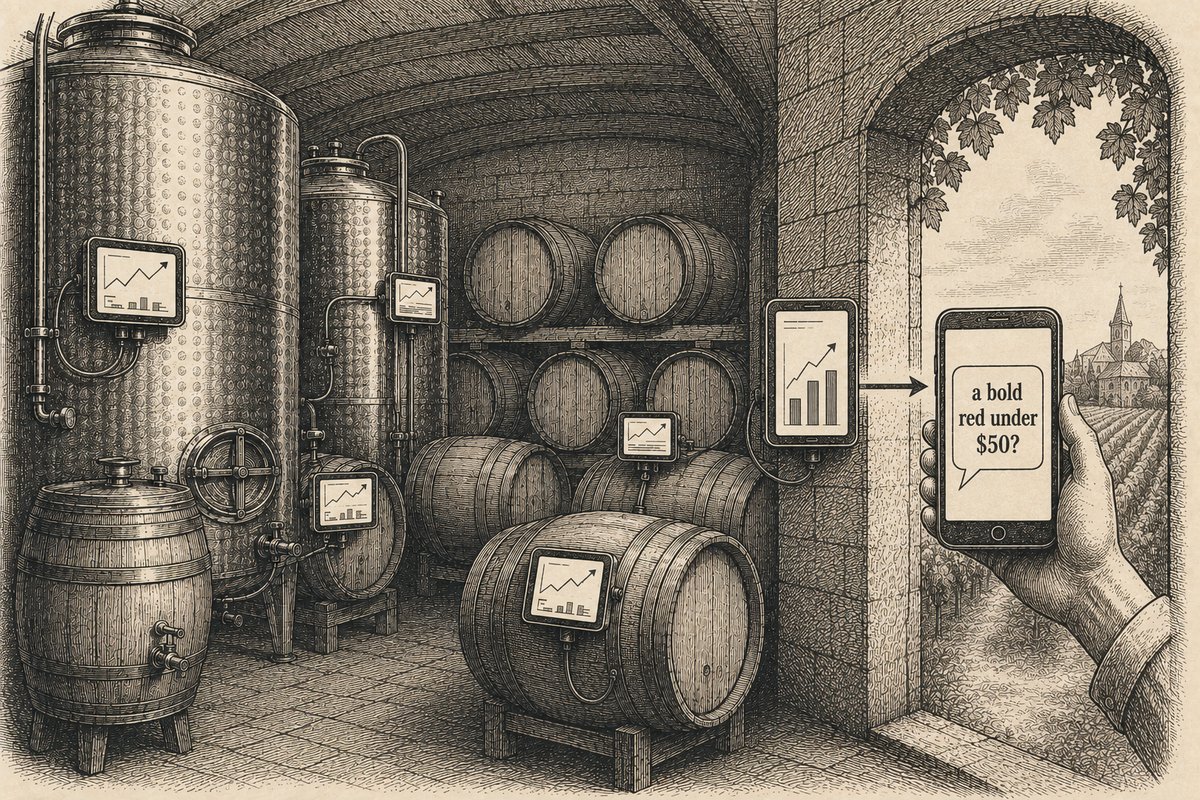
An engraving of a winery cellar: screens on the tanks all face inward, while one at the archway turns outward toward a buyer's phone asking 'a bold red under $50?'
For wineries

Wineries’ Biggest Fear Is Selling. So Why Is All Their AI Pointed at the Cellar?

InnoVint surveyed 541 wineries: demand is the #1 worry, and 60% already use AI — almost all of it aimed inward. The opening is to point some of it outward, toward the AI buyers now shop with.

Read the post →
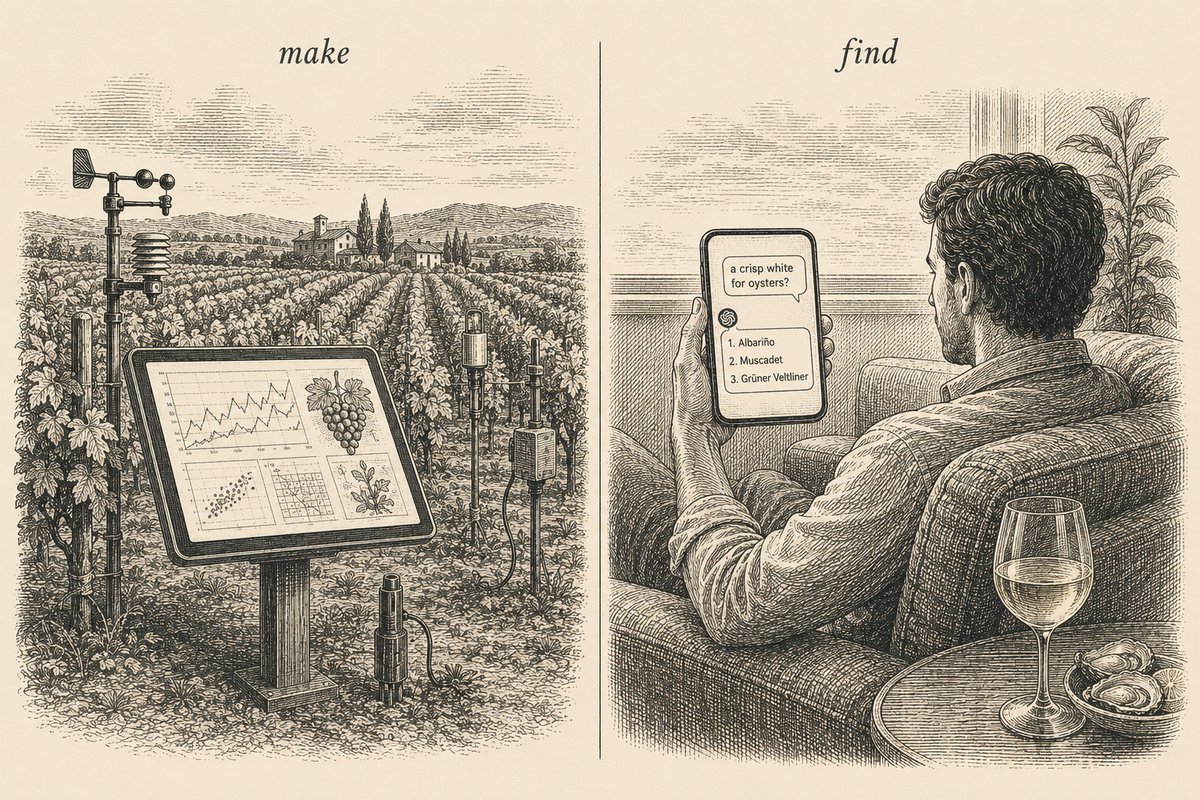
A two-panel engraving labeled 'make' and 'find': a vineyard with a tablet of data charts, and a person asking an AI assistant 'a crisp white for oysters?'
For wineries

Harvard’s Wine-and-AI Symposium Covered Everything — Except How Buyers Will Find You

The best minds in wine spent three days on how AI will change winemaking. The fastest-changing question — whether an assistant can find and recommend your winery to a stranger — barely came up.

Read the post →
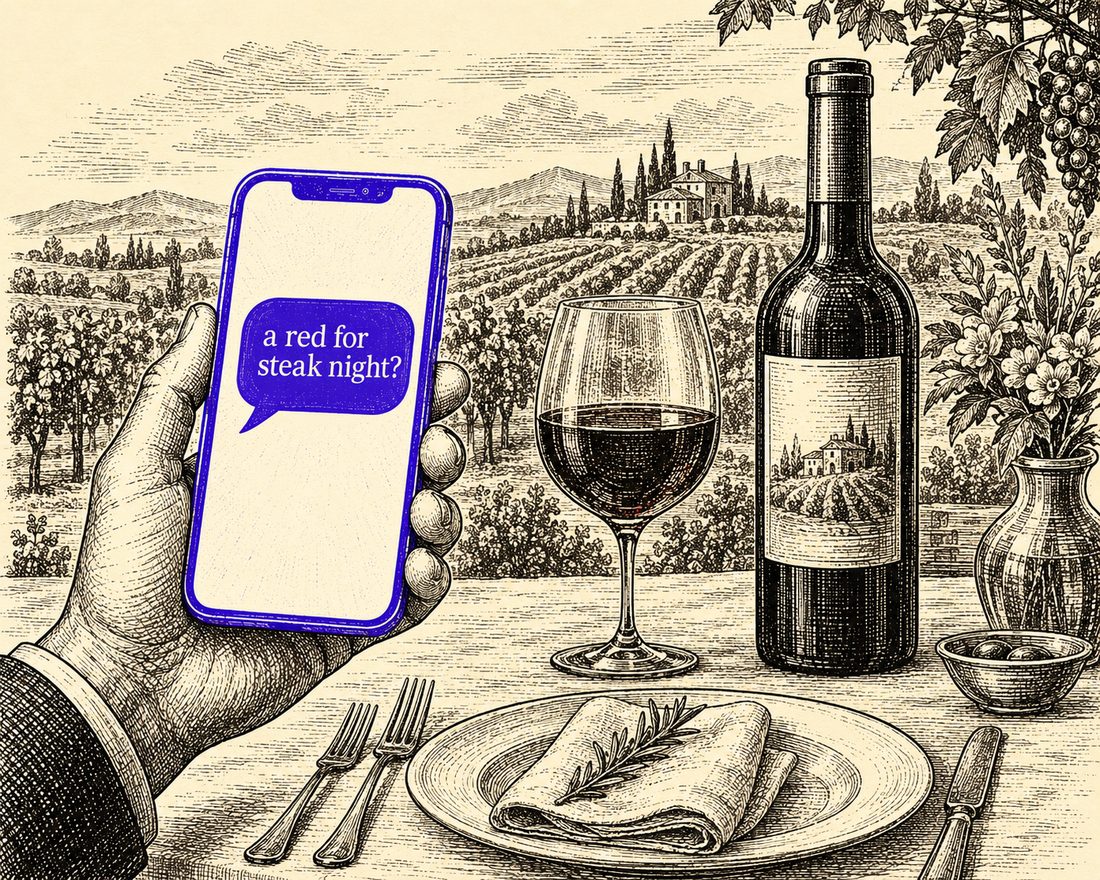
A hand holds a phone with an indigo chat bubble reading 'a red for steak night?' beside a wine bottle and glass.
For any brand

Write for the Shopper and the Machine: The Two Layers Every Product Page Needs

Shoppers ask AI by occasion, budget, and pairing — never “minerality.” But the machine still needs the facts to match you. How to write both layers on one page.

Read the post →
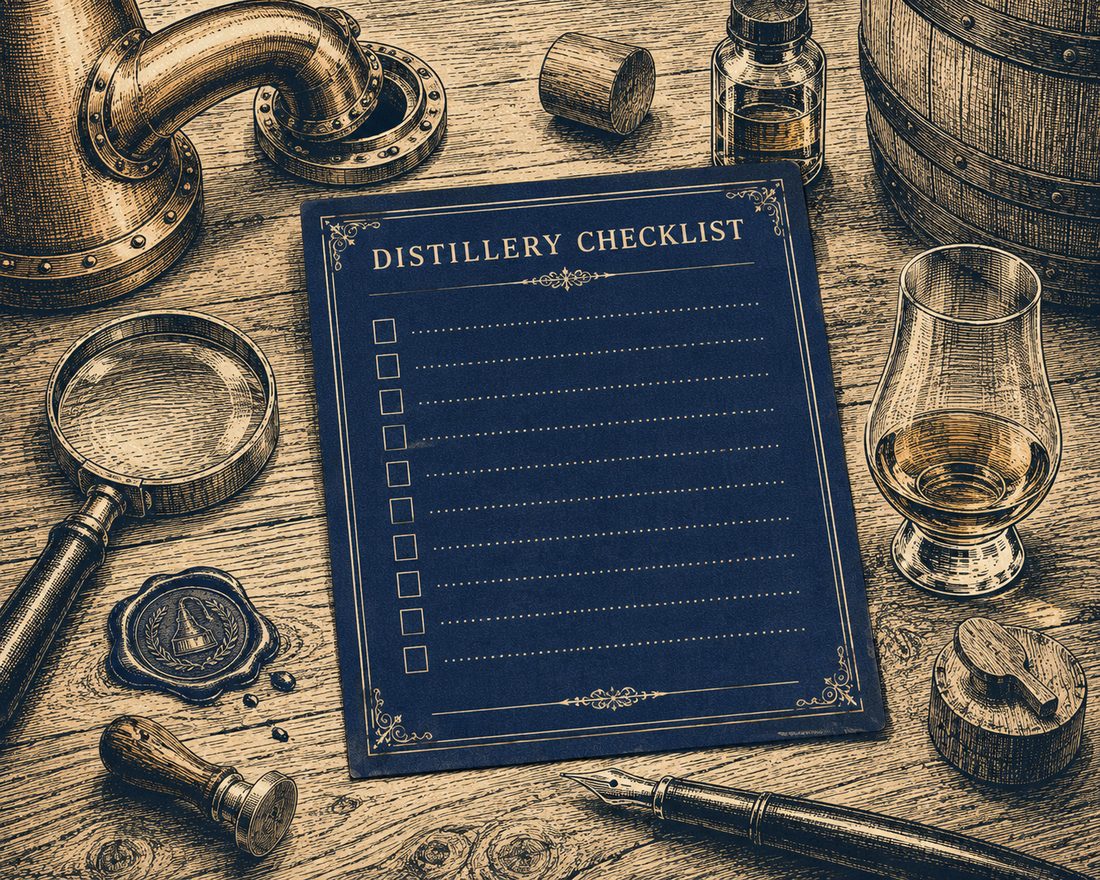
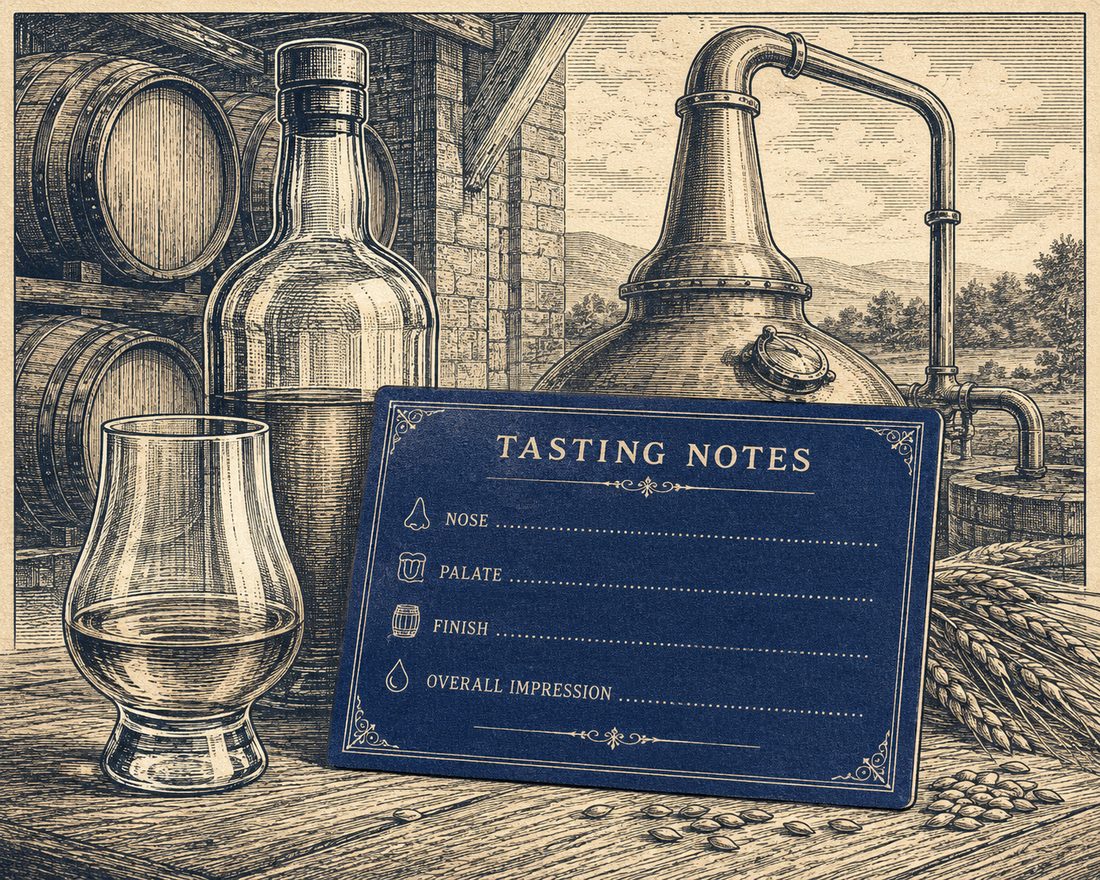
An engraved still life of a copper pot still and whiskey glass beside a navy Distillery Checklist card.
For distillers

The Distillery Website Checklist for Getting Found by AI

Six fixable checks — in plain English — to make your distillery the one an AI assistant names when a buyer asks for a bourbon, whiskey, gin, or agave spirit.

Read the post →
An engraved still life of a whiskey glass and bottle beside a structured navy Tasting Notes card.
For distillers

How to Write a Spirits Tasting Note an AI Will Quote

Category, proof, mash bill, cask — the concrete facts that make a whiskey or gin note quotable, with a before-and-after that keeps your voice.

Read the post →
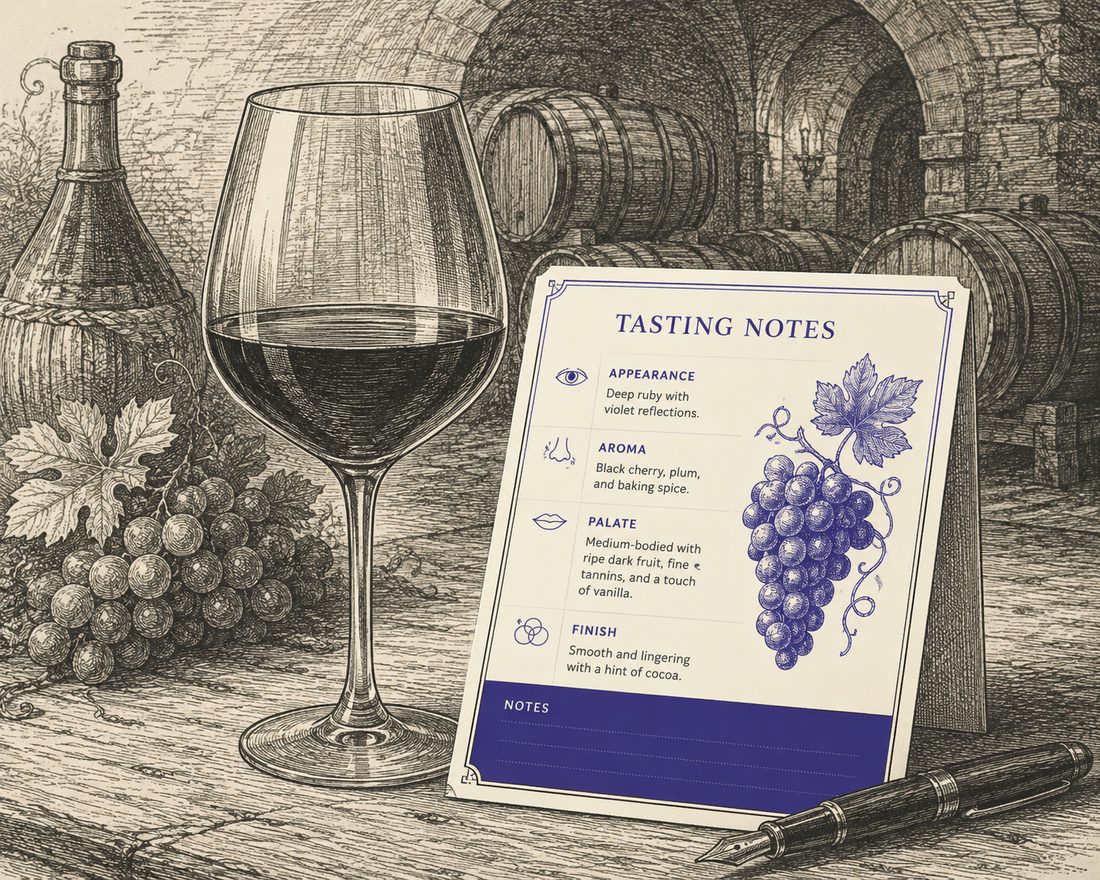
An engraved still life of a wine glass and bottle beside a clearly structured Tasting Notes card.
For wineries

How to Write a Tasting Note an AI Will Actually Quote

Poetic notes give an assistant nothing to grab. Add a factual layer underneath — here’s how, with a before-and-after that keeps your voice and gets you recommended.

Read the post →
For wineries

How to Get Your Winery Found by AI Search

Six fixable checks — in plain English — to make your winery the one an AI assistant names when a buyer asks for a wine.

Read the post →
Behind the scenes

I Built This Site to Be Found by AI. Here’s Exactly What I Did.

A transparent, plain-English teardown of the exact discoverability setup on this site — every move, why it matters to a machine, and the honest timeline.

Read the post →
For regulated brands

How Do Regulated Brands Get Found by AI?

The compliance habits that keep you legal — age walls, hedged copy, facts buried in PDFs — are often what makes you invisible to AI. How to fix it without crossing a line.

Read the post →
How-to

How Do I Make My Business Discoverable on AI?

The plain-English answer — six fixable steps to become the brand an AI assistant names when a buyer asks, no ad budget required.

Read the post →
Self-check

How to Check If AI Can See Your Brand

A seven-point test you can run in ten minutes to check whether AI can see, understand, and mention your brand — with the fix for each.

Read the post →
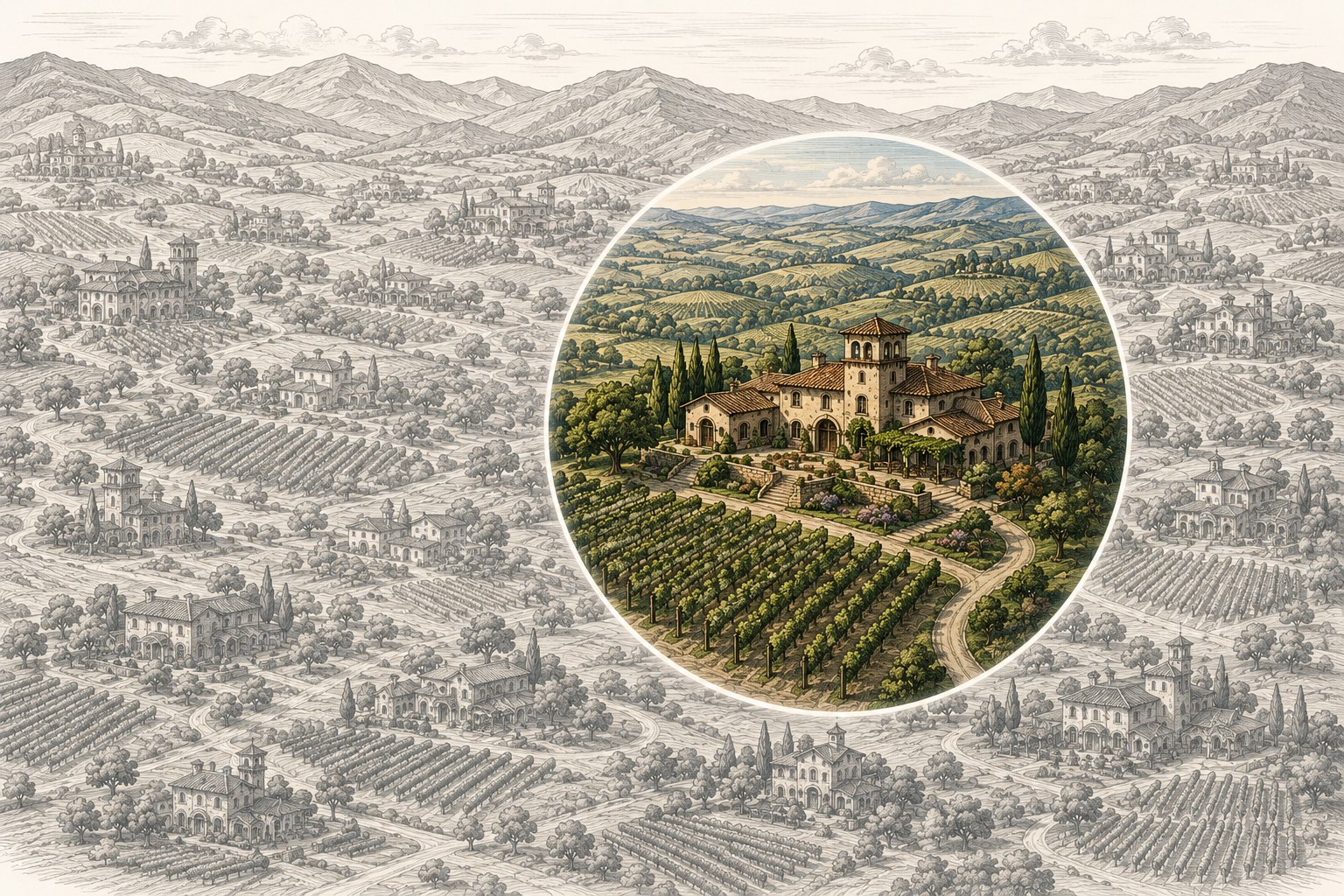
Wine country engraving with one estate spotlit in colour, representing the winery AI singles out.
For wineries

Why AI Recommends Some Wineries by Name — and Never Mentions Yours

When a buyer asks ChatGPT for a great bottle, some wineries get named and others vanish. Here’s what separates them.

Read the post →
Case story

How I Got COLAClear Cited by Name in Google’s AI Overview

A first-person account of the work behind a by-name AI citation — no budget, no team, no tricks.

Read the post →
Fundamentals

SEO vs AEO vs GEO: What’s the Difference?

A plain-English guide to the three ways people and machines find you online — and why 2026 changed the game.

Read the post →