Why AI Trusts Vivino and Wine-Searcher More Than Your Own Website
When an AI recommends a wine, it doesn’t take your word for it. It checks what independent sources say about you — and decides from that. Here’s how to build a reputation a machine will actually believe.
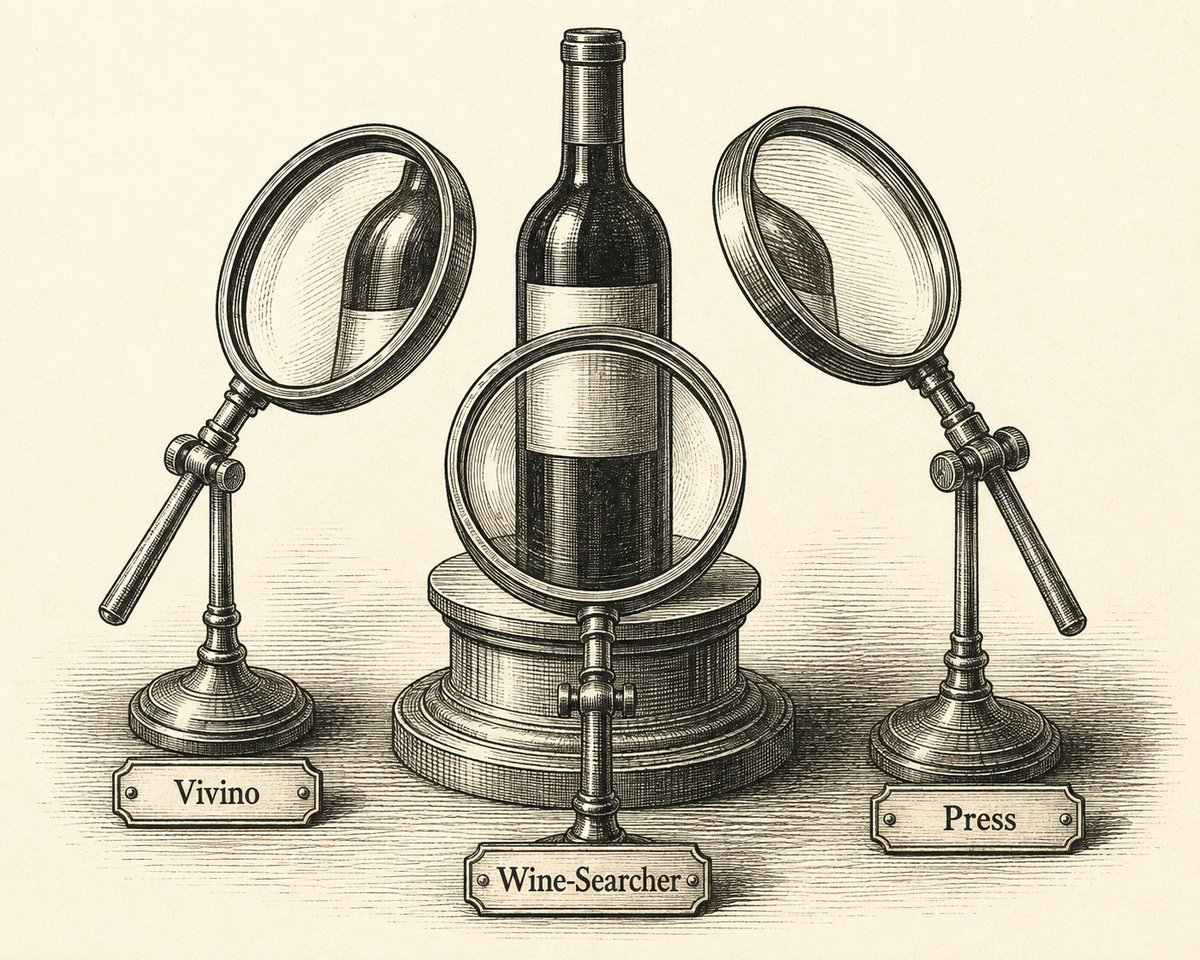
You can call your wine “award-winning,” “exceptional,” “critically acclaimed” all you like on your own site. A machine mostly ignores it — for the same reason a smart shopper does: it’s you, praising yourself.
This isn’t a guess about how AI behaves. It’s how the systems are built to work.
Search already works this way, openly
Google’s Search Quality Rater Guidelines instruct its evaluators to judge a site by what independent, third-party sources say about it — reviews, references, coverage — not by what the site says about itself. Google is explicit: if your own claims contradict what independent sources report, it ranks you according to the third parties. Your adjectives don’t win against the outside record.
AI assistants take it further
Large studies of AI citations — hundreds of millions of them — find a systematic bias toward “earned” third-party sources over brand-owned websites. The engines lean on the places they already trust (community sites, encyclopedias, review platforms) and repeat what those sources say. Your homepage is rarely the source; it’s the thing being checked.
Now translate that to wine
The AI’s trusted third parties for wine aren’t mysterious. They’re the independent databases and communities buyers already use: Vivino, Wine-Searcher, CellarTracker — plus real reviews and real press. Those are the wine equivalents of the Yelp-and-Wikipedia sources the studies keep surfacing. If they describe your winery consistently and favorably, the machine gains the confidence to name you. If you’re absent from them, you’re a stranger it can’t corroborate — so it names someone it can.
Here’s the mental model: the machine doesn’t ask “what do you say about your wine?” It asks “what does everyone else say, and do the stories agree?”
How to build a footprint a machine will believe
- Be present — and claimed — on Vivino, Wine-Searcher, and CellarTracker. Not a stub. Accurate, complete listings: winery name, region, varietals, current vintages. These are the first places a machine corroborates a wine.
- Earn real reviews. Volume and recency matter, and they have to be genuine — fabricated reviews are the one move that can actively burn you. Make it easy for real buyers to leave them.
- Get real coverage. A local paper, a trade publication, a wine writer. Even one or two credible, independent mentions do more for a machine’s trust than a page of your own superlatives. The trade press is exactly the kind of source these engines weigh — it’s part of why I write for it. My Wine Business column, When a Buyer Asks AI for a Wine, How Do You Get It to Name Yours?, makes this same case and is a good companion to this piece.
- Make the stories match. Your name, appellation, and details have to line up across all these sources. When Vivino, Wine-Searcher, and your own site each list you slightly differently, the machine sees several faint strangers instead of one winery it can trust — and doubt is enough to skip you.
What’s a waste of time
Piling more superlatives onto your own site. The machine isn’t reading your adjectives — it’s reading your reputation. “Award-winning” on your homepage is worth almost nothing; the award showing up on an independent source is worth a great deal.
You don’t get recommended because you told the machine you’re great. You get recommended because the sources it trusts agree that you are. Build that, and you become the answer.
Want to see whether AI can find and vouch for your winery? Run the free AI-Visibility Checklist. Want it built for your brand? That’s the AI-Visibility Audit.
Zillah Bahar is the founder of COLAClear and writes about getting found by AI at GetDiscoverable.io. Her columns appear in Wine Business and Craft Spirits Magazine, and COLAClear has been featured in Wine Industry Advisor.
Sources: Google Search Quality Rater Guidelines — how third-party reputation is judged · AI search engines cite third-party sources over brand sites (study) — Search Engine Land